Hyperbaric oxygen therapy: what it is used for, and what it is not
A pressurised chamber sounds exotic. The mechanism is actually quite simple.
September 17, 2026 · 3 min read
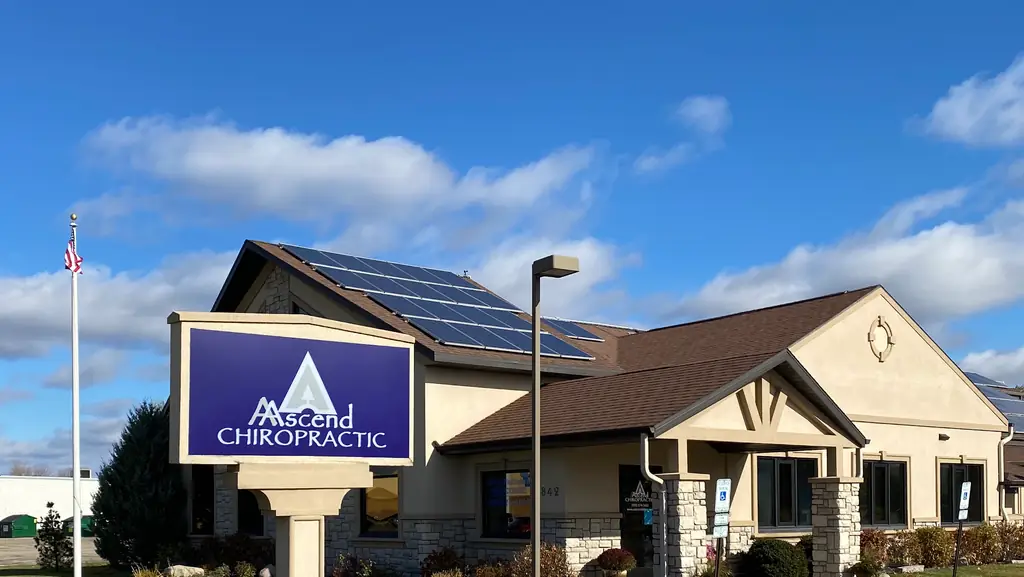
Hyperbaric oxygen therapy is the treatment at Aascend Chiropractic that people ask about most and understand least. It sounds like something from a hospital or a diving accident, and it is not obvious why it would be in the same building as a chiropractic table.
The mechanism is straightforward once it is explained, so here it is without the mystique.
What the chamber is actually doing
Under normal conditions, most of the oxygen you breathe is carried by red blood cells, and those are close to fully loaded already. Breathing harder does not add much, because there is nowhere to put it.
Raising the pressure around you changes that. Under increased pressure, more oxygen dissolves directly into the blood plasma, and plasma reaches places red blood cells struggle to supply well. That includes tissue that is swollen, inflamed, poorly circulated or damaged.
That is the whole idea. Injured tissue is frequently oxygen starved, and oxygen starved tissue heals slowly. The chamber addresses the supply problem rather than the symptom.
What it gets used for here
- Sports injury recovery and muscle strains, where the aim is to shorten the time between injury and returning to load.
- Chronic pain and inflammation, and joint discomfort including arthritis.
- Concussion and mild traumatic brain injury.
- Neuropathy, where nerve tissue is poorly supplied.
- Post surgical recovery, and wound healing.
- Fatigue, and general wellness.
Concussion and neuropathy patients often arrive having worked it out themselves. Those are precisely the cases where an adjustment was never going to be the answer and where recovery time is the entire problem.
Why it sits next to a chiropractic table
It looks like an odd pairing until you consider what stalls a recovery. Someone comes in with a back that will not settle after a strain. The joints get moving, the muscle is released, the rehab is right, and it still takes far longer than it should.
Sometimes the reason is that the tissue itself is not being supplied well enough to rebuild at a normal rate. That is a different kind of obstacle from a locked joint or a trigger point, and it needs a different kind of answer.
Having the chamber in the same building as the treatment floor means that answer is available in the same week rather than after another referral and another waiting list. It is a systemic treatment sitting alongside local ones, and the two are not in competition.
The honest limits
It is not a cure all, and nobody serious presents it as one. It is a supportive therapy that improves the conditions for healing. It does not replace an adjustment for a joint that has stopped moving, it does not replace traction for a compressed disc, and it does not replace rehab for muscle that has gone weak.
It also is not a treatment you try once out of curiosity and judge on that basis. Like decompression, it is used as a course, because the effect is cumulative.
A session itself is undramatic, which tends to reassure people who have built it up in their heads. You are in a chamber while the pressure is raised gradually, you breathe normally throughout, and the main sensation is in the ears, much like a plane descending. Yawning or swallowing clears it. The time in the chamber is quiet and there is nothing to do, which a fair number of patients report as the best part of their week.
Whether it is appropriate at all depends on your individual medical history, and there are people for whom it is not suitable. That conversation belongs at the practice, with the doctors, before anything is booked.
Practical notes on booking
The chamber is a scheduled session rather than something added onto a walk in adjustment, because pressurising and depressurising takes real time at both ends. If you are combining it with adjusting or rehab in the same week, mention that when you book and the office will sequence the appointments sensibly rather than leaving you to guess.
If you have a recovery that has stalled, a concussion that is taking too long, or neuropathy you have been told to live with, call Aascend Chiropractic on (920) 574-3622 and ask whether the chamber is appropriate for your situation. Asking costs nothing, and a straight answer is the least you should get.
Aascend Chiropractic, (920) 574-3622
Call (920) 574-3622More articles
Why your adjustment keeps undoing itself
Feeling good on the table and sore again two days later is a pattern, and patterns have causes.
Sciatica in the Fox Valley: is it a disc, or is it muscle?
Two very different problems produce almost identical symptoms, and they need opposite treatment.